If you’ve spent any time behind the wheel in Pickering, you know your paint job takes a beating. Between loose gravel along Taunton Road, the winter salt scattered across Highway 401, and even the tree sap that drips near Petticoat Creek Conservation Area, it’s almost impossible to keep your car looking new. As someone who drives around Pickering every day, I can tell you this — the road isn’t kind to your paint job. So what is Paint Protection Film, and why is it gaining traction among Pickering drivers who want to protect their investment?
What is Paint Protection Film (PPF) and How Does It Work?
Paint Protection Film, or PPF, is a virtually invisible polyurethane layer that’s applied to your vehicle’s exterior surfaces. Think of it like a second skin — it shields your paint from the real-world hazards that we see daily in Pickering:
- Rock chips kicked up by fast-moving trucks
- Fine scratches from car washes or branches
- Bird droppings and bug splatter
- Road debris and minor abrasions
The film is designed to be self-healing — light scratches fade with heat or sun exposure — and modern formulations are UV resistant, so your paint won’t fade unevenly over time.
PPF vs. Ceramic Coating: What’s the Difference?
It’s a question we get all the time at Durham Autohaus. While both options protect your paint, they work differently:
- PPF is a physical barrier that can absorb impact — perfect for gravel and chips.
- Ceramic coating is a liquid polymer that bonds with the paint to offer hydrophobic and chemical resistance — great for keeping the car clean.
Many of our clients actually choose to combine both for full protection and maximum shine.
Why Paint Protection Film Matters in Pickering
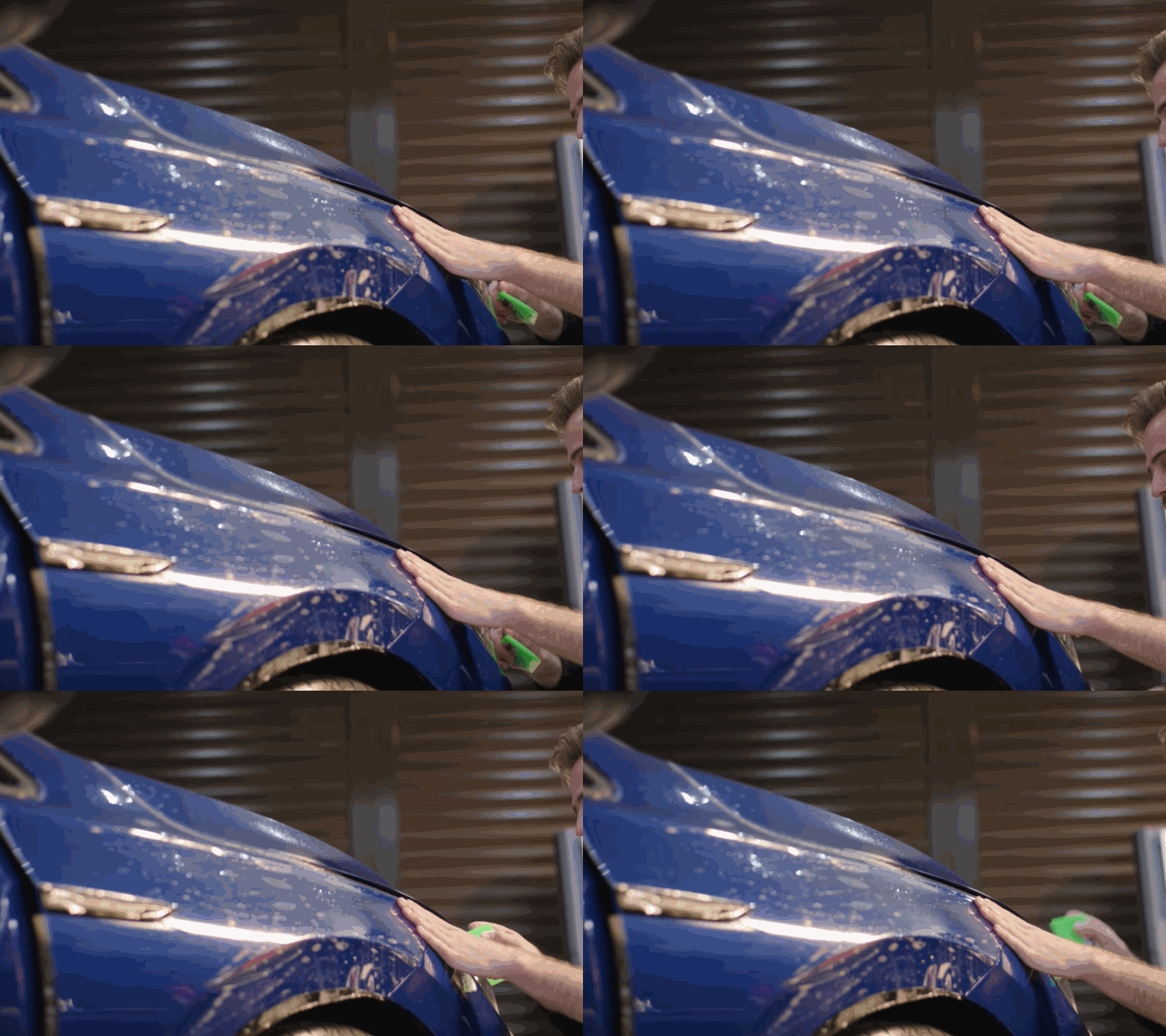
Living and driving in Pickering means facing a unique mix of environmental and everyday challenges that can wear down your car’s exterior faster than you think.
- Winter road salt and icy gravel: If you’ve driven through a snowstorm on Highway 401, you’ve probably heard the dreaded sound of grit bouncing off your fenders.
- Urban tight spots: From Pickering Town Centre’s packed lots to GO station parkades, dings and scratches from other car doors are almost inevitable.
- Rural terrain: Trips out to Greenwood Conservation Area or Seaton hiking trails often mean dusty, gravel-covered access roads — a recipe for chipped paint.
I had PPF installed after my hood got chipped on Brock Road — lesson learned. Since then, I haven’t had to worry about touch-ups every time I hit the highway or park a little too close to the action
Types of PPF Coverage: From Partial to Full Wraps
One of the best things about Paint Protection Film is that it’s customizable. Depending on how you use your vehicle and what you want to protect, you can choose from several levels of coverage:
1. Partial Front-End Protection
This includes high-impact areas like the hood, bumper, and side mirrors — the spots that take the brunt of rock chips and road debris on Highway 401.
2. Full Front-End Protection
In addition to the partial coverage areas, this package also includes your front fenders and headlights. Ideal for those who do a lot of highway driving or own newer vehicles they want to keep flawless.
3. Full-Body Protection
This is the ultimate package — every painted surface is covered. We often recommend this for luxury vehicles, exotics, or those who just want complete peace of mind.
Don’t underestimate the power of smaller details either. At Durham Autohaus, we often apply PPF to door cups, luggage area strips, and rocker panels, since these are high-touch zones that tend to get scratched up from daily use. Even partial protection goes a long way, especially in a town like Pickering where seasonal conditions can be rough.
How Is Paint Protection Film Installed?
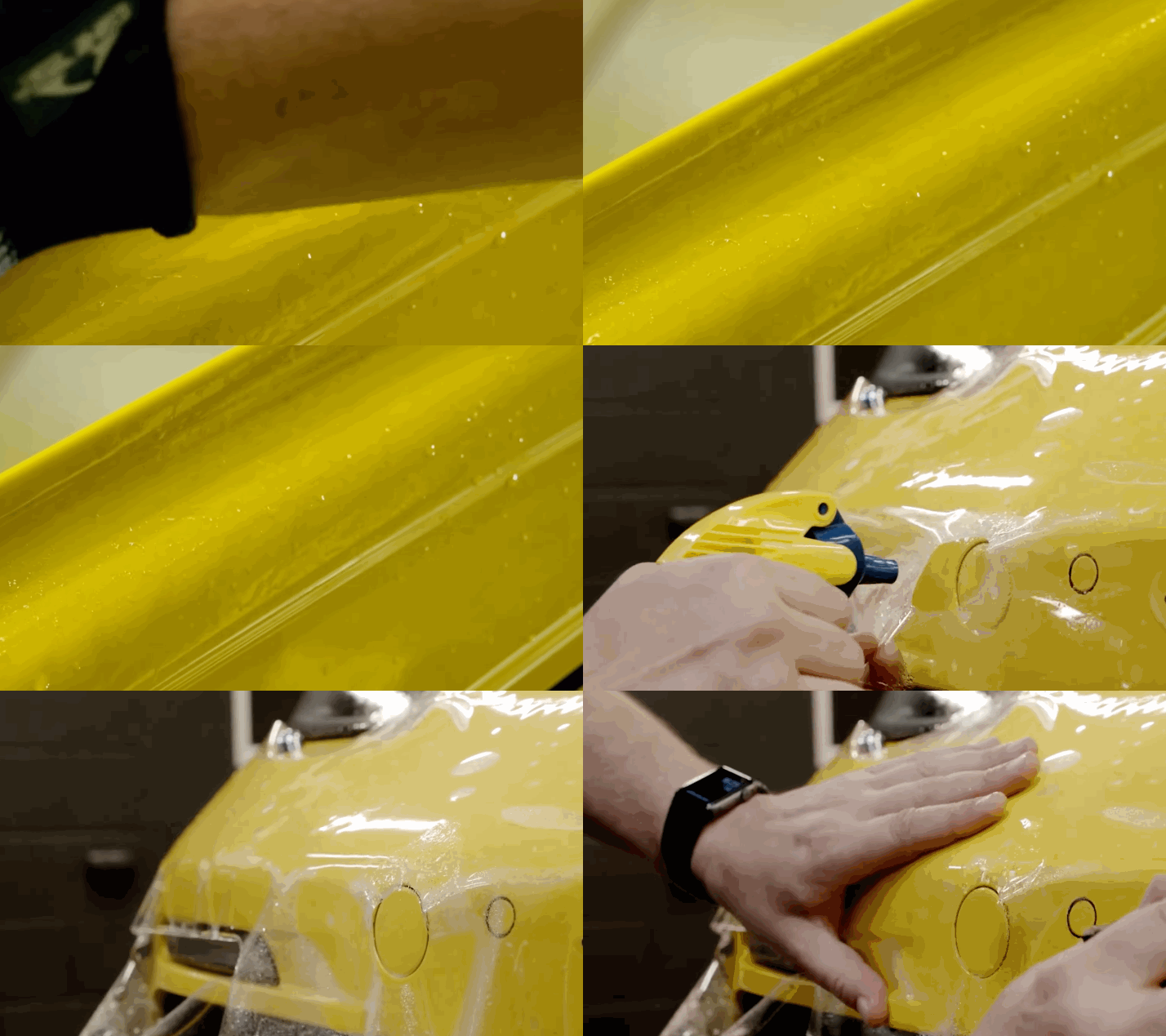
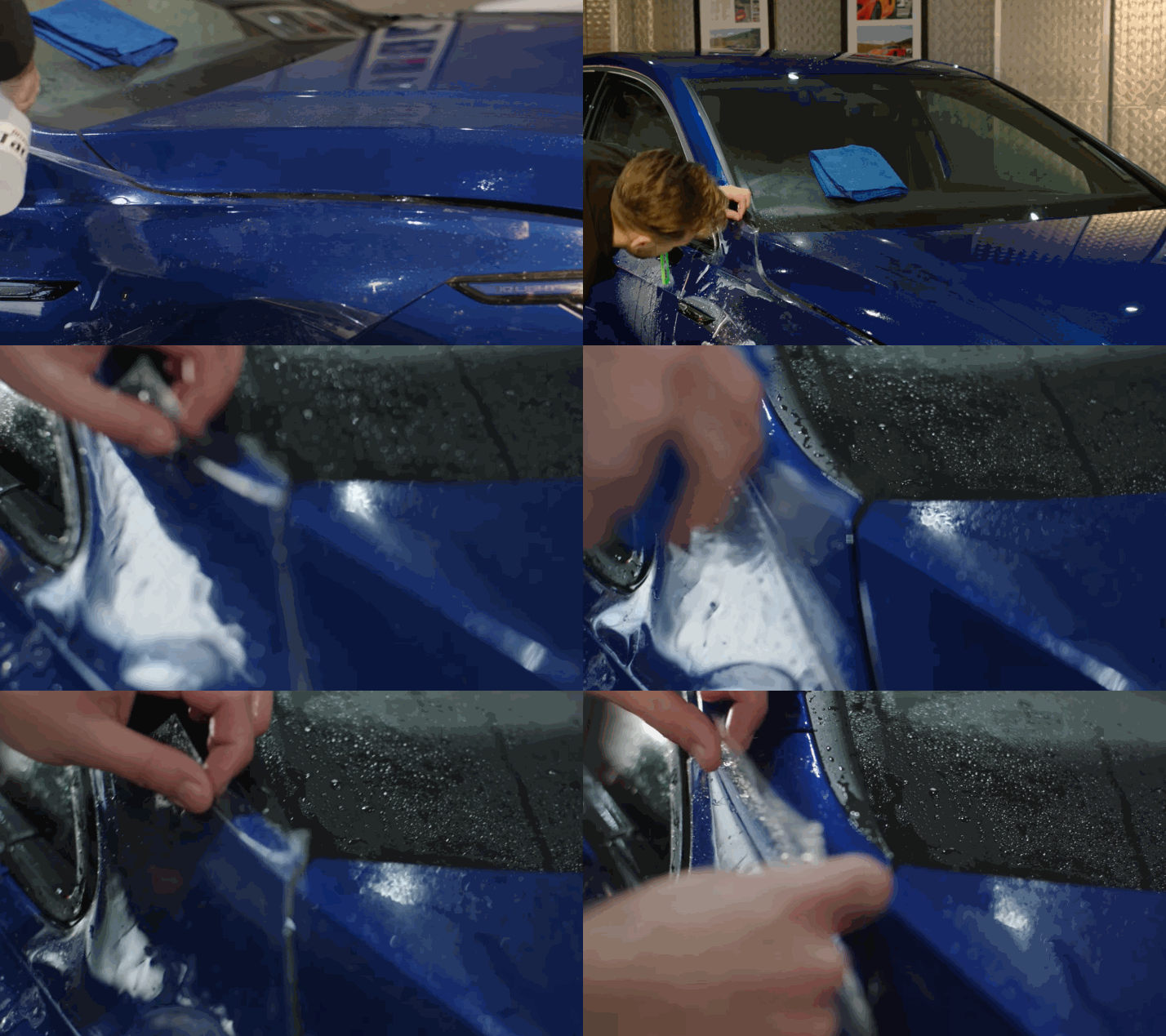
Applying Paint Protection Film isn’t just about sticking something onto your car — it’s a detailed process that demands skill, precision, and the right environment. Here’s how we do it at Durham Autohaus:
- Surface Prep: We begin by thoroughly washing and decontaminating your vehicle to remove any dirt, wax, or polish. Paint correction may be done to fix minor swirls and scratches so they don’t get sealed in.
- Precision-Cut Film: Using software and plotters, we cut the film based on your car’s exact make and model for a perfect fit.
- Application: The film is applied by hand using a slip solution, squeegees, and heat guns to ensure it sits perfectly without bubbles or distortion.
- Curing: The film needs to settle and bond properly. We keep the car in clean, dust-free conditions to prevent lifting or imperfections.
This isn’t a job for YouTube tutorials or garage experiments. As installers who’ve worked on everything from family SUVs to sports cars, we know what a flawless install should look like — and we won’t let a single dust speck ruin it.
How Long Does Paint Protection Film Last?
High-quality Paint Protection Film typically lasts between 5 and 10 years, depending on the product and how you care for it. Most films today include:
- UV resistance to prevent yellowing or cracking over time.
- Self-healing topcoats that fade out light scratches with sun or heat.
Manufacturer warranties that cover discoloration, bubbling, and peeling.
To get the most out of your PPF, we recommend proper maintenance:
- Hand wash using pH-neutral soap.
- Avoid abrasive sponges or brushes.
- Use ceramic-safe detail sprays to enhance the film’s hydrophobic qualities.
My film has held up through five salty winters and still looks fresh. I haven’t had to repaint a single panel — and that’s saying a lot when you’re driving through Pickering every day.
Is It Worth the Investment? Pros vs Cons
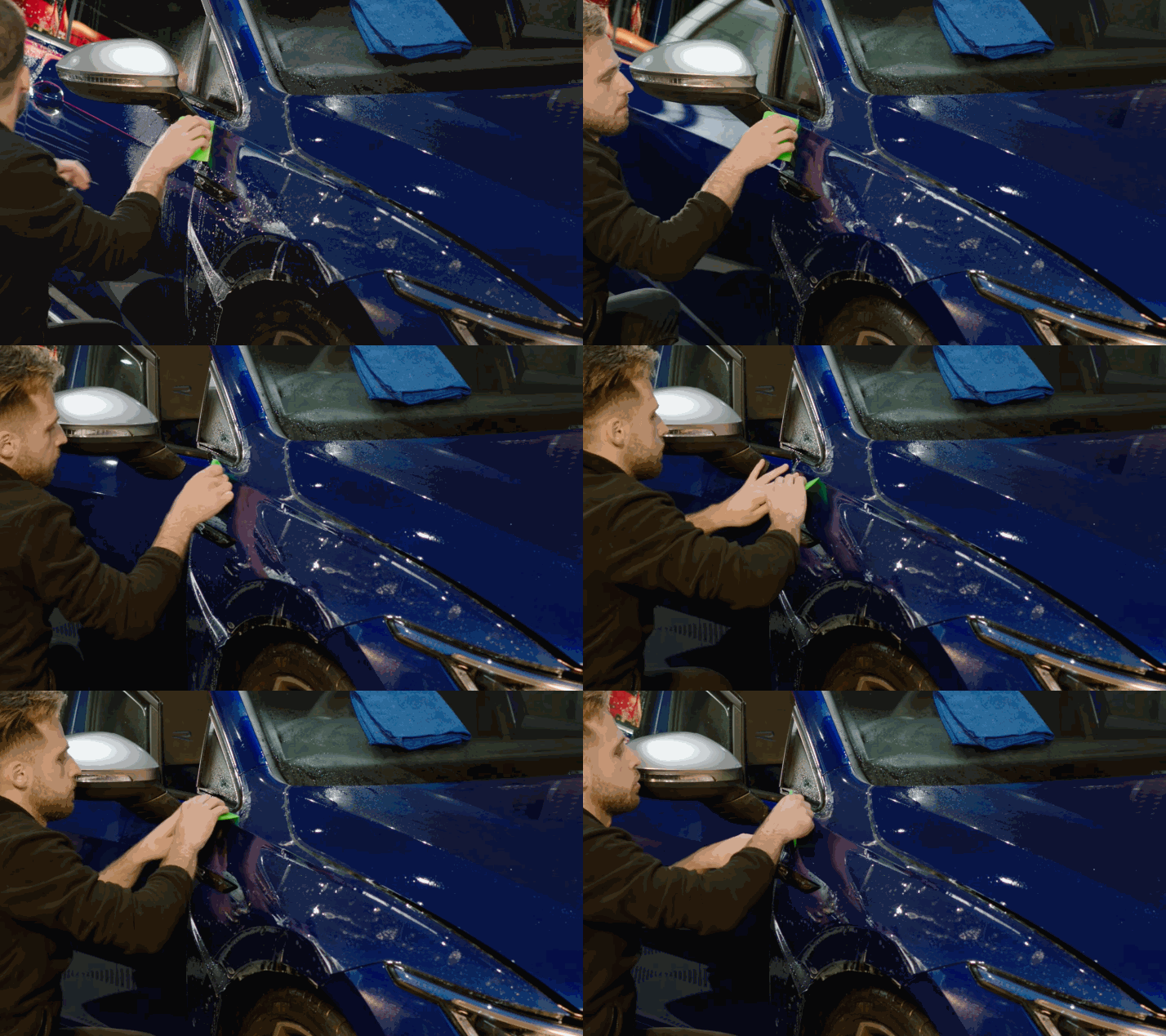
Like any upgrade, Paint Protection Film comes with its pros and cons — but for many of our clients in Pickering, the long-term benefits far outweigh the initial cost.
✅ Pros:
- Long-term paint protection against road hazards, parking lot scuffs, and seasonal elements.
- Higher resale value — a well-maintained exterior can make your car stand out when it’s time to sell.
- Less stress about everyday damage, especially for daily drivers or families with active lifestyles.
⚠️ Cons:
- Higher upfront cost compared to other detailing services.
- Requires professional installation to ensure durability and a seamless look.
- Not totally invisible — but honestly, most people will never notice unless they know where to look.
Tip from the team: “I always say: it’s cheaper than repainting a hood.” And after a few winters in Pickering, you’ll see why that holds true.
Choosing the Right Installer in Pickering: Why It Matters
The success of a PPF installation isn’t just about the product — it’s about who’s installing it. That’s especially true here in Pickering, where the weather flips from humid summers to salty, slushy winters.
At Durham Autohaus, we understand the local climate and how it affects your vehicle long-term. That’s why we:
- Use top-tier film brands like XPEL and SunTek.
- Operate in controlled environments to guarantee flawless results.
- Offer warranties that back up our work — because we trust the materials and our process.
- Are trained and certified in precision installations, no shortcuts.
We treat every car like it’s our own. Because frankly, we’ve been there too.
A Smart Move for Pickering Drivers Who Care About Their Cars
If you care about how your car looks — and want to keep it looking that way — Paint Protection Film is more than a luxury. It’s a practical decision for anyone navigating the real-world roads of Pickering.
From snow-packed highways to gravel backroads, your vehicle’s exterior takes more abuse than you might realize. PPF adds peace of mind, protects your investment, and saves you money in the long run.
Curious about what protection makes sense for your ride? Come by Durham Autohaus or contact us for a free consultation or quote — we’ll walk you through it, no pressure.
Durham Autohaus
4.8 ⭐⭐⭐⭐⭐ 542 Google reviews